THE APPROACH
The name that is already the method.
The parable of the khôra

In the Timaeus, Plato names khôra a third kind, alongside being and becoming: the receptacle. Neither form nor matter, neither idea nor thing — the indeterminate space, without quality of its own, in which every thing comes into existence. The khôra is nothing in itself; and yet, without it, nothing takes form. It receives, it lets things emerge, it withdraws.
This is, almost word for word, the definition of what we call facilitating. The one who facilitates does not produce the experience: she creates the conditions for it. You do not fill the space with your knowledge; you hold it open, and step back so that something may emerge — in those who are there, by themselves. It is from this intuition that the house takes its name, and its whole method.
What is a facilitated space?
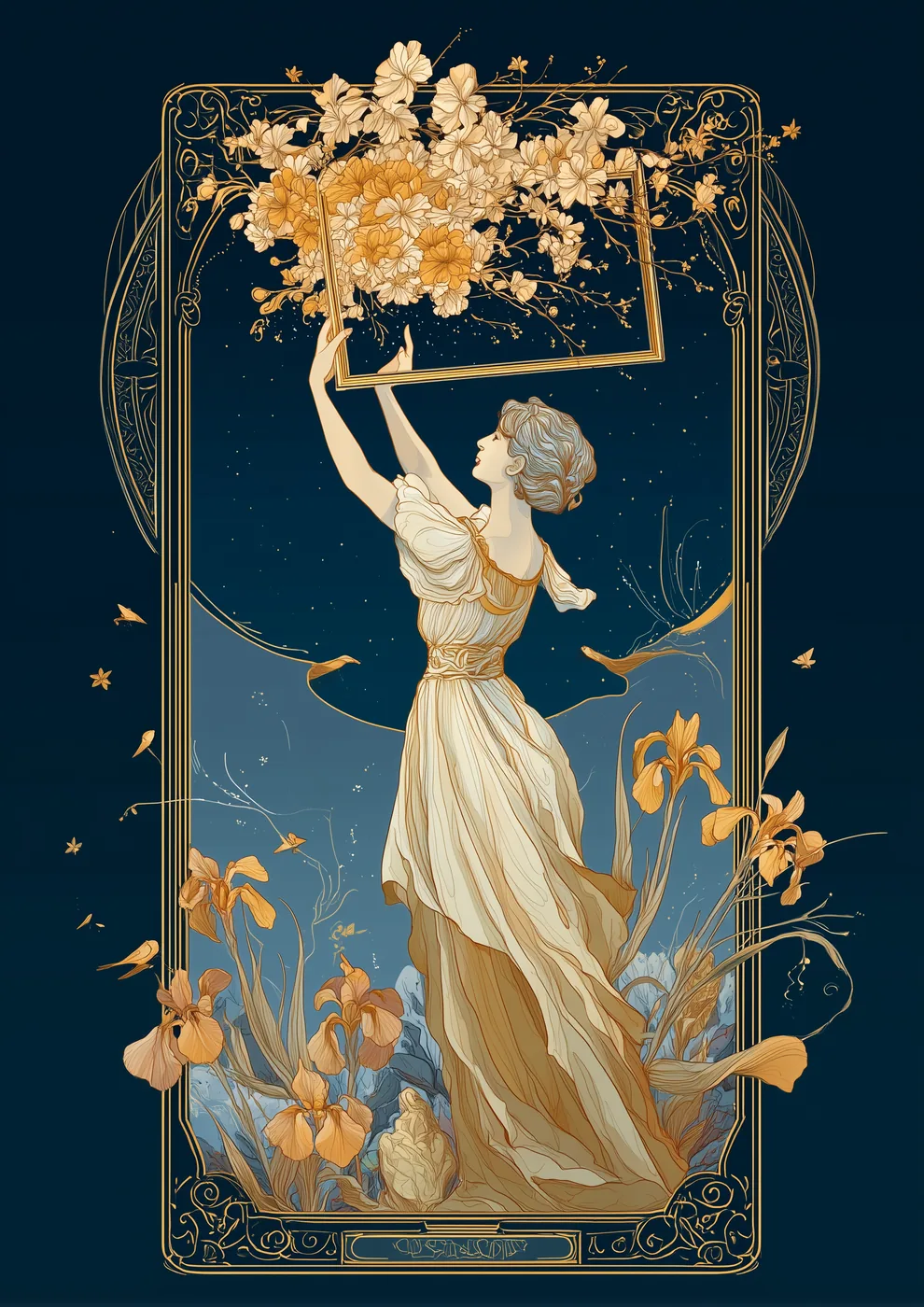
It is, first, a held frame. A time and a place with clear limits, with a beginning and an end, clear rules, guaranteed safety — what we call a receptacle. Inside that frame, and on that condition alone, anyone can allow themselves to lower their guard.
It is, next, a presence that holds without directing. The one who facilitates is neither a teacher delivering content nor a performer occupying the stage. Their art is quieter, and more demanding: to read the group, to sense the rhythm, to offer just what is needed, and to know when to fall silent.
It is a primacy of direct experience over discourse. Presence is not explained here: it is made to be felt. Connection is not taught: it is woven, in the act. What is understood there is understood through the body and through lived experience, before it is understood through ideas.
It is, finally, an emergence. No one knows entirely in advance what will come to pass; the frame is held all the more firmly because its content is left free. Consent is the absolute rule — nothing is ever imposed, and each person remains at every moment the sole authority over what they live.
A philosophical and experiential approach
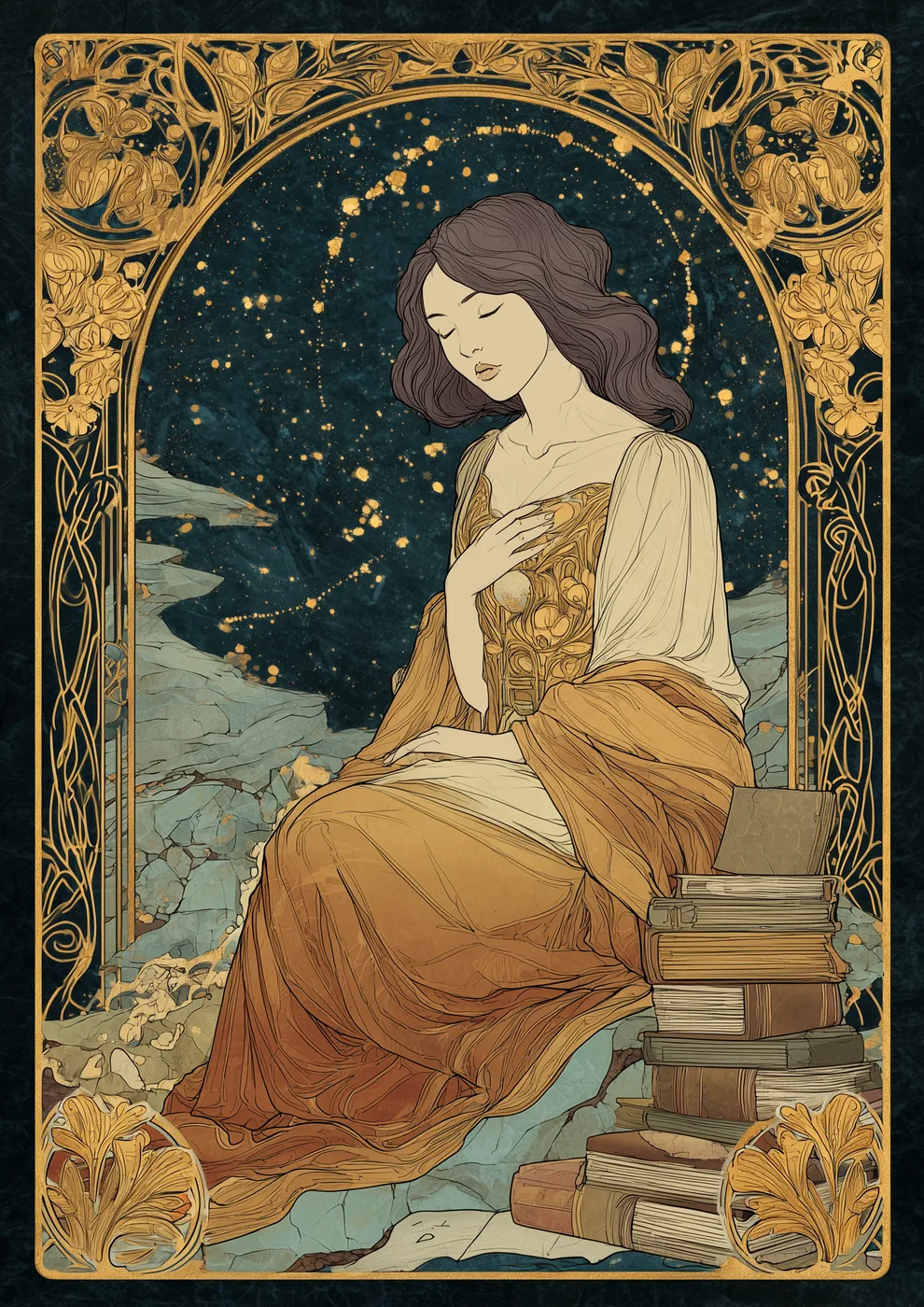
Maison Khôra starts from a fact anyone can verify within themselves: at this instant, an experience is taking place, and no one but oneself has direct access to it. That something, rather than nothing, is being felt — this is the simplest of facts, and the most stubborn of enigmas. This ground we call, simply, the mystery.
The approach is, in one and the same movement, philosophical and experiential. Philosophical, because it takes the greatest questions seriously — what is it to exist, what is it to feel, what are we? Experiential, because it refuses to stop at ideas: it wants those questions lived, in the body and in encounter, rather than merely thought. And it holds the two together within an artistic frame. To create, to show, to make felt: this is how the house approaches the mystery, taking it as given that a moment of true presence is worth a thousand treatises.
In this approach, beauty is not an ornament: it is a door.

Maison Khôra situates its activities outside the fields of wellness, personal development and psychotherapy — to which it does not belong, and for which it never substitutes itself. Its practice is artistic, philosophical and somatic. It promises neither healing, nor transformation, nor salvation. No doctrine is taught, no adherence asked. Nothing is compulsory; every proposal is explained before it is lived; each person may take part, observe or withdraw without expectation and without judgement.